


Finding the Right Training Program for Your Dog’s Needs

Choosing the right training program for your dog can feel overwhelming. With so many options, how do you determine what will best meet your dog’s needs? This guide will provide you with essential information to help you make an informed decision. From understanding different training methods to evaluating your dog’s specific requirements, you will learn how to find the perfect fit for your furry friend.
Understanding Dog Training and Its Importance
Dog training is an essential part of pet ownership. It not only helps improve the behavior of your dog but also strengthens the bond between you and your pet. Training can range from basic obedience commands to advanced skills such as agility or tracking. It's crucial to choose the right program that aligns with your dog’s personality and your goals as a pet owner.
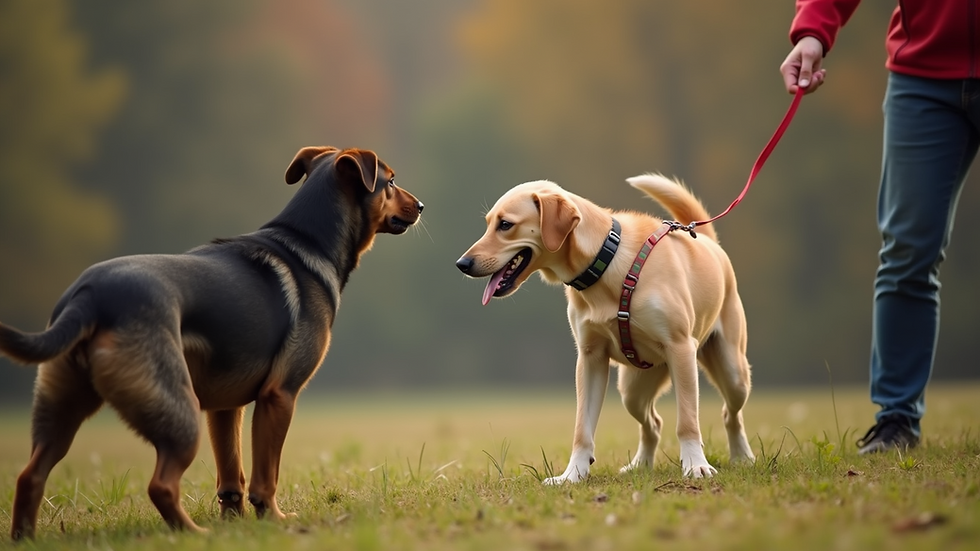
Each dog is unique; some may be more energetic and social, while others may be timid and reserved. Assessing your dog’s temperament is the first step in selecting a training program. For example, energetic breeds like Border Collies may benefit from agility training, while more gentle breeds may thrive in obedience classes.
Different Types of Dog Training Programs
There are various types of dog training programs available. Some of the most common include:
Obedience Training: This is designed to teach basic commands such as sit, stay, and heel. Obedience training is fundamental for all dogs and is often the first step for new puppy owners.
Agility Training: This type focuses on teaching your dog to navigate obstacles like tunnels, jumps, and weave poles. It's an excellent way for active dogs to burn energy.
Behavior Modification: If your dog has behavioral issues like excessive barking, aggression, or anxiety, a specialized program can help address these problems.
Tracking and Scent Work: This colorful training teaches your dog to find objects or follow scents. It is engaging and mentally stimulating, suitable for breeds that have a strong sense of smell.
Therapy and Service Dog Training: Some dogs are specially trained to provide assistance to people with disabilities or to support patients in need of comfort.
When considering a dog training program, it’s helpful to observe a few initial classes. Different trainers may have varied styles, and seeing them in action will help you determine if their approach fits your dog’s learning style.

How much does it cost to pay someone to train your dog?
The cost of dog training can vary widely based on several factors. On average, you can expect to pay anywhere from $50 to $200 per session, depending on the complexity of the training and the trainer's experience.
Group classes typically cost less than private sessions, making them an economical option. A six-week group class might run you around $150 to $300. In contrast, private training can range from $100 to $300 for a one-off session or may be offered at a package price for multiple sessions.
Additionally, specialized training programs like agility or tracking classes can be more expensive. For example, programs focusing on dog training waldorf md often have a higher price point due to their specialized nature.
Always inquire about what the cost includes. Some programs provide materials or training aids, while others may require you to purchase items separately.
Finding the Right Trainer
When searching for a trainer, consider their qualifications and experience level. Accreditation from organizations like the Association of Professional Dog Trainers (APDT) can be beneficial. Look for reviews online and ask for recommendations from local pet owners.
Make sure the trainer’s philosophy aligns with your expectations. Some utilize positive reinforcement techniques, while others may lean towards more traditional methods. Choosing a trainer whose methods you’re comfortable with is essential.
Don't hesitate to reach out and ask questions. It's also a good sign if the trainer encourages you to observe a class before committing.

Practical Considerations When Choosing a Program
In addition to the trainer's style and qualifications, consider other practical aspects:
Location: Choose a training program that is conveniently located. You are more likely to attend consistently if the training facility is near your home or workplace.
Class Size: Smaller class sizes often result in more individualized attention for each dog. If possible, opt for classes with a limit on the number of participants.
Training Equipment: Be aware of the types of training equipment used. Some trainers may use tools that you are uncomfortable with, like shock collars.
Commitment Level: Training can vary in intensity and duration. Some programs are designed to be completed in a few weeks, while others may last several months. Make sure the time commitment fits your lifestyle.
Evaluating Your Dog’s Progress
Once your dog starts training, it’s essential to track their progress. Regular evaluations will help ensure that the training methods are effective and that your dog is learning.
Keep a journal of your dog's behavior outside of training sessions. Note any improvements or ongoing challenges. Communicate these findings with your trainer, as they can offer additional guidance or modify their approach based on your dog's performance at home.
Training should be a fun and rewarding experience for both you and your dog. Celebrate small victories and remain patient as your dog learns new skills.
Final Thoughts on Dog Training Programs
Finding the right training program for your dog is crucial. It can enhance your dog's behavior and create a stronger bond between the two of you. Start by understanding your dog’s unique needs and exploring various training options. The right trainer can significantly impact your dog's training experience.
In summary, when looking for dog training, consider the type of program, the trainer's qualifications, practical logistics like location and class sizes, and your commitment level. By doing thorough research and staying engaged, you’ll ensure your dog reaches their full potential and enjoys the training journey.


Comments