


Helping Anxious Dogs Build Confidence

Anxiety in dogs is a common challenge that many pet owners face. Dogs can become fearful or nervous due to various reasons such as past trauma, lack of socialization, or changes in their environment. Helping an anxious dog build confidence is essential for their well-being and happiness. This blog post will explore practical ways to support your dog through gentle, effective methods, including the benefits of fear free training.
Understanding Anxiety in Dogs and the Role of Fear Free Training
Anxiety in dogs can manifest in many ways, including trembling, excessive barking, destructive behavior, or avoidance. Recognizing these signs early is crucial to helping your dog feel safe and secure. Fear free training focuses on reducing fear, anxiety, and stress in pets during training and daily interactions. This approach uses positive reinforcement and gentle techniques to build trust and confidence.
Fear free training encourages a calm and supportive environment where dogs learn at their own pace. For example, instead of forcing a dog to face a feared object or situation, the trainer gradually introduces it in a controlled and positive way. This method helps the dog associate the experience with good things, reducing anxiety over time.

Practical Steps to Build Confidence in Anxious Dogs
Building confidence in an anxious dog requires patience, consistency, and understanding. Here are some actionable steps you can take:
Create a Safe Space
Provide a quiet, comfortable area where your dog can retreat when feeling overwhelmed. This space should be free from loud noises and distractions.
Use Positive Reinforcement
Reward your dog with treats, praise, or play when they show brave behavior or calmness. This reinforces the idea that confidence leads to positive outcomes.
Gradual Exposure
Slowly introduce your dog to new experiences, people, or environments. Start with low-stress situations and increase complexity as your dog becomes more comfortable.
Consistent Routine
Dogs thrive on predictability. Keeping feeding, walking, and playtimes consistent helps reduce anxiety by providing structure.
Engage in Interactive Play
Games like fetch or puzzle toys can boost your dog’s confidence by encouraging problem-solving and physical activity.
Avoid Punishment
Punishing anxious behavior can increase fear and worsen the problem. Instead, focus on redirecting and rewarding positive actions.
By following these steps, you can help your dog gradually overcome anxiety and develop a more confident personality.
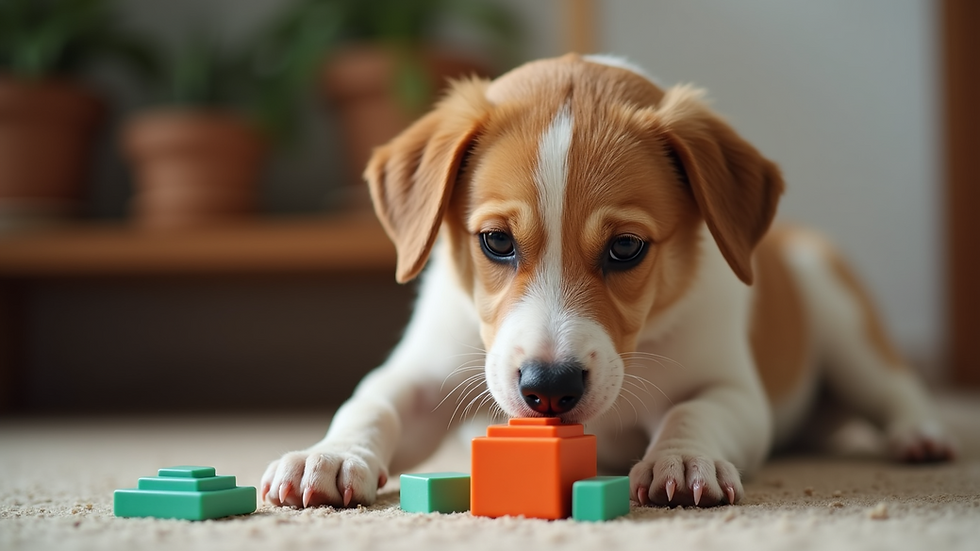
What are the 5 D's of Dog Training?
The 5 D's of dog training are essential principles that guide effective and humane training methods. They are especially useful when working with anxious dogs:
Distance
Keep a comfortable distance from the fear trigger. Gradually decrease this distance as your dog becomes more confident.
Duration
Limit the time your dog is exposed to the fear trigger initially. Increase the duration slowly to build tolerance.
Distraction
Use distractions like treats or toys to divert your dog’s attention from the fear trigger.
Dependence
Help your dog rely on you for guidance and reassurance during stressful situations.
Demeanor
Maintain a calm and positive attitude. Dogs pick up on your emotions, so staying relaxed helps them feel safe.
Applying the 5 D's can make training sessions more effective and less stressful for your anxious dog.
Tools and Techniques to Support Confidence Building
Several tools and techniques can aid in building your dog’s confidence:
Counter-Conditioning
This technique changes your dog’s emotional response to a fear trigger by pairing it with something positive, like treats or affection.
Desensitization
Gradually exposing your dog to the fear trigger in small, manageable doses helps reduce sensitivity over time.
Calming Aids
Products like anxiety wraps, pheromone diffusers, or calming supplements can provide additional support.
Professional Help
Sometimes, working with a certified trainer or behaviorist who specializes in anxiety is the best option.
Remember, every dog is unique, so it may take some trial and error to find the right combination of tools and techniques.

Encouraging Socialization and Positive Experiences
Socialization is a key factor in building confidence. Introducing your dog to new people, animals, and environments in a positive way helps reduce fear and anxiety. Here are some tips:
Start Small
Begin with calm, friendly dogs and quiet environments.
Use Treats and Praise
Reward your dog for calm behavior during social interactions.
Observe Body Language
Watch for signs of stress and give your dog breaks when needed.
.
By fostering positive social experiences, your dog will learn to trust and feel more secure in different situations.
Building a Lifelong Bond Through Patience and Understanding
Helping an anxious dog build confidence is a journey that requires time and dedication. The key is to be patient and consistent while using gentle, positive methods. Celebrate small victories and understand that setbacks are part of the process.
By creating a supportive environment, using fear free training techniques, and focusing on your dog’s emotional needs, you can help your furry friend become more confident and happy. Remember, your calm and loving presence is one of the most powerful tools in this journey.
Helping your dog overcome anxiety not only improves their quality of life but also strengthens the bond you share. With the right approach, your anxious dog can thrive and enjoy a more relaxed, joyful life.


Comments