


How to Choose the Right Training Program for Your Dog

Choosing the right training program for your dog can be one of the most significant decisions you'll make as a pet owner. The right training can enhance communication between you and your dog, leading to a more joyful and controlled companionship. With so many options available, ranging from group classes to one-on-one training, making the right choice can seem daunting. In this post, we'll guide you through the important factors to consider when selecting a training program for your furry friend.
Understanding the Benefits of Dog Training
Dog training isn't just about teaching your pet to sit or stay. It plays an essential role in building a strong relationship between you and your dog. Proper training can:
Improve behavior: Well-trained dogs are less likely to engage in destructive behaviors.
Increase safety: Training can prevent dangerous situations, such as running into the street or jumping on strangers.
Enhance socialization: Training can help your dog interact positively with other animals and people.
Provide mental stimulation: Training exercises challenge your dog's mind and keep them engaged.
Whether you opt for in-home training or enroll them in dog training classes, the impact of having a well-trained dog is immeasurable.
Types of Dog Training Programs Available
With various dog training options available today, it’s crucial to understand the distinctions. Here are some popular types:
Group Training Classes
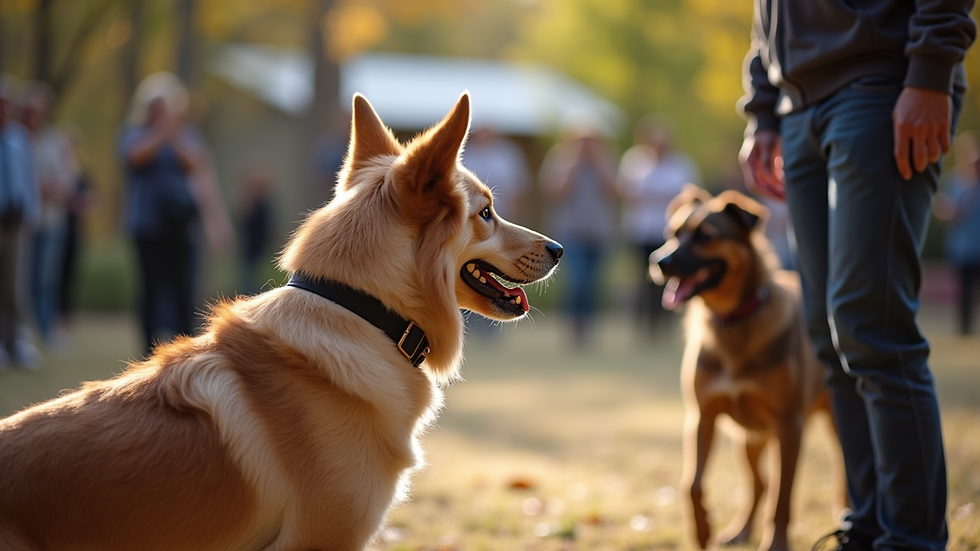
Group classes are one of the most common training formats. They offer several advantages, such as socialization opportunities and budget-friendly rates. However, the experience may not be tailored to your dog’s specific needs.
One-on-One Training
Personal or private training offers targeted attention to your dog's individual traits. Trainers can customize lessons based on your dog's temperament and challenges. While often more expensive, it can be highly effective for specific behavioral issues.
Online Training
With the rise of technology, online training classes have become popular. They provide flexibility and can be completed from home. However, the lack of physical supervision may limit the trainer's ability to address in-the-moment concerns.
Specialty Training
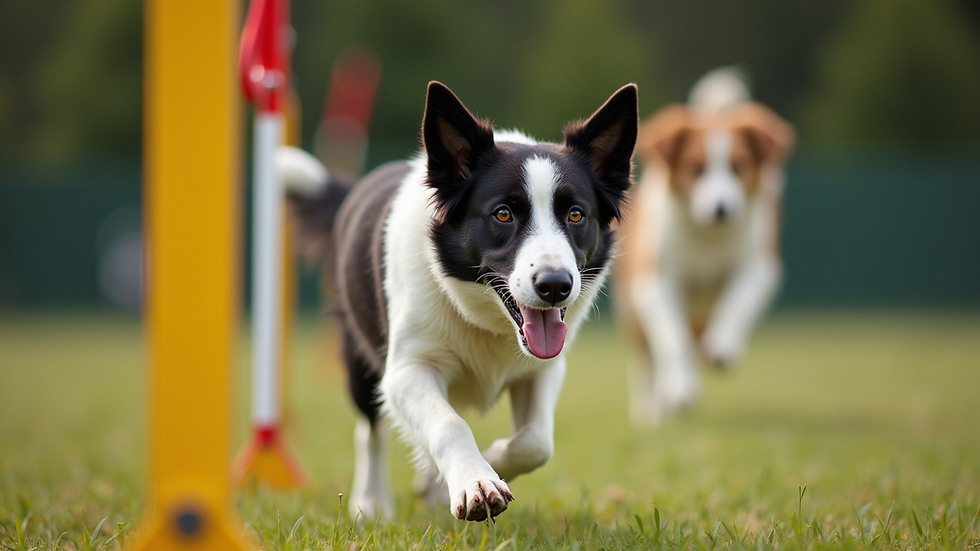
Some dogs require specialized training, such as agility, tracking, or scent work. These programs focus on developing specific skills relevant to those activities. Dog training classes in special areas can be an exciting way to engage your dog.
How to Assess Your Dog’s Training Needs
Your dog’s age, temperament, and prior experiences all influence their training needs. Here are a few questions to consider:
What behaviors do you want to change? Identify specific issues, such as barking at the mailman or jumping on guests.
How old is your dog? Younger dogs may benefit from basic obedience training, while older dogs may benefit from specialized courses to enhance their skills.
What is your dog’s energy level? High-energy breeds may require more rigorous training programs than calmer breeds.
Evaluating your dog’s specific needs is crucial in selecting the right training program.
How Much Is a Dog Training Course?
The cost of dog training courses varies widely based on several factors, including location, trainer experience, and program length. On average, you can expect to pay:
Group Classes: These can range from $100 to $300 for a 6- to 8-week course.
Private Training: Private sessions generally cost $50 to $150 per hour, depending on the trainer’s expertise.
Online Courses: These can vary from free to a few hundred dollars, depending on the curriculum.
When considering costs, remember to weigh the value of what’s offered. A higher price doesn’t always equate to better quality, and it’s vital to do your research before making a commitment.

Questions to Ask Potential Trainers
Before enrolling in a program, it's essential to ask some critical questions:
What training methods do you use? Look for trainers who employ positive reinforcement techniques.
What is your experience level? Inquire about their qualifications and experience with similar dogs.
What is the class size? Smaller class sizes often allow for more individual attention.
Can you provide references? A reputable trainer should happily connect you with past clients.
Getting answers to these questions will help you make an informed decision on which training program is right for you and your pet.
Evaluating Training Program Locations and Availability
Consider the location of the training facility and its accessibility. If the program is too far away or has limited class schedules, it may not be practical. Try to find a reputable trainer or facility within a reasonable distance and with classes that fit your schedule.
Facility Environment
A good training program should offer a welcoming and safe environment. Look for clean, spacious, and well-organized facilities. The trainers should also maintain a calm and positive atmosphere where dogs and their owners feel comfortable engaging.
Monitoring Progress and Building Consistency
Once you’ve chosen a training program, it’s essential to actively participate in your dog’s learning process. Here’s how to maintain consistency and monitor progress:
Practice Regularly: Consistent practice solidifies learned behaviors and strengthens your bond.
Communicate: Keep in contact with your trainer for feedback and additional tips.
Stay Patient: Learning takes time, and your dog may require reinforcement or adjustments along the way.
By participating actively, you'll not only help your dog learn but also build a stronger relationship in the process.
Final Thoughts on Choosing the Right Program
Selecting the right training program for your dog can seem overwhelming, but it’s a valuable investment in their well-being. By understanding your dog's individual needs, researching different programs, and asking the right questions, you can find a training path that works for both you and your dog. Remember, a well-trained dog not only brings joy but also fosters a safe and rewarding companionship for years to come.
Embarking on this training journey can lead to discovering a new and enriching side of your pet's personality. Whether it’s through a group class, private lessons, or specialized training, every step you take in your dog’s education will enhance your shared experiences. So, gather your supplies, put on your patience hat, and prepare for an exciting adventure ahead with your beloved canine friend!


Comments